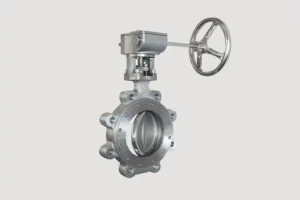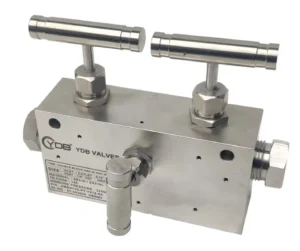

Fluid management systems operating within critical process environments require dependable isolation mechanisms to maintain operational safety and system integrity. In operations handling high pressures, aggressive media, or volatile gases, conventional piping configurations with multiple single valves often introduce potential leak paths and space constraints. The integral double block and bleed (DBB) valve resolves these design challenges by integrating two isolation units and a central drain or bleed unit into a single compact housing.
Understanding how integral DBB valves function, where they fit into industrial installations, and how their structural design enhances safety helps technical teams select the appropriate flow control solutions for critical fluid networks.
Why Is Valve Selection Critical in High-Pressure Process Systems?
Industrial process lines in refinery, petrochemical, and power generation facilities handle continuous flows under high temperatures and extreme fluid pressure. In these environments, even minor fluid leakage or mechanical failure can disrupt downstream processes, damage machinery, or cause safety risks.
Standard flow containment relies on isolating sections of piping for maintenance, calibration, or instrument servicing. When relying on individual single-seated valves joined by external piping nipples and fittings, system integrity depends on multiple joint connections. Every threaded, welded, or flanged connection represents a potential point of mechanical stress and fugitive emission leakage.
Selecting engineered valve units that consolidate multiple isolation functions into a single body structure minimizes potential leak paths, reduces weight loads on piping headers, and streamlines system design.
What Is an Integral Double Block and Bleed Valve?
An integral DBB valve is a flow control assembly that incorporates two block (isolation) valves and one bleed (drain) valve inside one solid, engineered body. Instead of installing three separate units along a pipe section, this consolidated architecture performs complete system isolation within a single unit space.
How Does the Double Block and Bleed Mechanism Function?
The primary operation of an integral DBB valve centers on establishing a double barrier between upstream and downstream process lines while allowing safe venting of the trapped cavity space:
- Upstream and Downstream Isolation: The two main block elements line up in series within the flow passage. When closed, both elements block the passage of process media from entering or exiting the isolated zone.
- Cavity Bleeding: Located between the two block elements is a smaller bleed valve. Opening this central port drains or vents any fluid trapped inside the internal cavity between the primary isolation barriers.
- Seal Verification: Draining the cavity allows operators to monitor for any media escaping past the primary upstream seat. If the bleed port continues to discharge fluid after the cavity empties, it signals that an upstream seal requires attention, allowing technicians to verify line isolation before starting maintenance work downstream.
What Are the Key Design Features of Integral DBB Valves?
Integral DBB valves are engineered for demanding installations where compactness, mechanical strength, and certified performance are mandatory. The design combines robust mechanical structures with precise internal flow paths.
Single-Piece Body Construction
Unlike modular assemblies joined by intermediate piping, integral units feature a single forged or cast body structure. Ditching intermediate joints eliminates external thread and flange leak paths between the two isolation barriers and the bleed port.
Dual Isolation Elements
Depending on the specific process demands, the primary block mechanisms can feature ball or needle valve configurations. Floating ball structures offer reliable shut-off capability in higher volume flow pathways, while needle designs allow precise control and tight isolation in smaller instrumentation channels.
Integrated Bleed Circuit
The internal bleed channel is drilled directly within the main valve body. It directs trapped cavity fluids cleanly out through a controlled discharge port, preventing pressure build-up within the valve body when both block elements are closed.
Materials and Standard Compliance
Units engineered for aggressive chemical media, elevated temperatures, and high pressure utilize forged steel or cast steel components. Manufacturing processes adhere to recognized standards such me ASME, BS, NACE, and petroleum industry parameters like API-6D. These specifications dictate wall thickness, pressure ratings, and material resistance against internal corrosion and stress cracking.
What Are the Main Benefits of Using Integral DBB Valves?
Upgrading from traditional multi-valve arrangements to integral DBB designs brings clear operational advantages to piping engineering and plant maintenance.
1. Fewer Potential Emission Paths
A standard three-valve assembly requires multiple connecting nipples, flanges, or threaded joints. An integral design reduces these connections to the inlet and outlet ports of the valve body, drastically cutting down potential fugitive emission sites and structural weakness.
2. Space and Weight Reduction
Space is limited on offshore platforms, compact skids, and densely packed processing plants. Integral DBB valves significantly reduce installation footprint compared to traditional setups. Lowering overall weight also reduces bending stress on small-bore instrument connections and header pipes.
3. Enhanced Operator Safety During Maintenance
The ability to verify positive isolation via the bleed port gives maintenance crews a reliable, verifiable method to ensure pipe sections are depressurized and clear of hazardous media before opening process lines downstream.
4. Simplified Structural Mounting
Installing a single valve body requires fewer support brackets and less installation time than mounting three separate units with interconnecting pipe spools, simplifying both initial piping construction and ongoing field inspections.
Where Are Integral DBB Valves Used Across Industrial Sectors?
Because of their isolation capabilities, integral DBB valves serve critical roles across several industrial sectors.
Oil & Gas Processing
Across upstream extraction, midstream transport, and downstream refining, these valves are installed on instrument take-off points, pressure transmitter connections, and chemical injection lines. They handle natural gas, crude oil, and refined hydrocarbons safely under variable line pressures.
Chemical and Petrochemical Refineries
Chemical processing facilities handling aggressive fluids and harsh chemical compounds rely on corrosion-resistant integral designs. Anti-static and fire-safe features protect processes operating near volatile or explosive settings.
Power Generation Plants
Thermal and hydro power plants utilize integral DBB valves within high-pressure steam headers, boiler feedwater systems, and auxiliary fluid control loops where high temperature and pressure conditions demand zero leakage.
General Industrial Fluid Control
In large-scale industrial fluid networks where space constraints and high system pressures meet, integral units provide reliable double isolation for sampling systems and pressure monitoring stations.
How Do You Select the Right Integral DBB Valve for Your Application?
Choosing the proper integral DBB configuration requires evaluating several operational parameters:
- System Pressure Class: Match the valve rating (such as ASME pressure classes) with maximum system operating pressures.
- Process Temperature Range: Ensure seat materials, seals, and body metallurgy withstand high or low operating temperatures.
- Media Compatibility: Select compatible forged or cast steel alloys resistant to corrosive fluids, sour gas (NACE compliance), or erosive media.
- Flow & Port Size Requirements: Determine whether full-bore or reduced-bore internal passages are required based on flow velocity and allowable pressure drop.
Proper inspection, hydro testing, pneumatic testing, and adherence to certified manufacturing procedures ensure the selected valve operates reliably throughout its service life.
Frequently Asked Questions (FAQs)
What is the primary difference between a traditional DBB valve setup and an integral DBB valve?
A traditional setup uses three separate valves connected with nipples and pipe fittings. An integral DBB valve houses both block valves and the bleed valve inside one solid body, eliminating intermediate joints and reducing weight and potential leak paths.
Can integral DBB valves be used for instrumentation connections?
Yes. Instrumentation DBB valves and double block and bleed needle configurations are designed specifically to isolate pressure gauges, transmitters, and sampling systems cleanly in tight spaces.
What tests are conducted to verify integral DBB valve quality?
Quality evaluation includes hydrostatic testing, pneumatic testing, fire-safe testing, and fugitive emission testing to confirm seal integrity, body strength, and compliance with standards such as API-6D.
Are integral DBB valves suitable for corrosive fluid environments?
Yes. When manufactured with compliant materials according to NACE and global metallurgical standards, these valves withstand chemical processing environments and aggressive media without premature corrosion.
How does the bleed valve verify positive isolation?
When both main block valves are shut, opening the central bleed valve drains remaining cavity pressure. If fluid flow stops completely after draining, positive isolation of the main upstream line is confirmed.
Quality Manufacturing & Engineering Compliance
Manufacturing high-performance fluid control products demands rigorous quality management system adherence. YDB Valves LLP operates facilities certified to ISO 9001:2015, ISO 45001:2018, and ISO 14001:2015 specifications, along with approvals for API-6D. Production methods align with internationally recognized API, ASME, BS, and NACE engineering standards to supply reliable fluid control solutions across oil, gas, chemical, power, and general industrial sectors.
Every product undergoes thorough inspection and testing—including hydro, pneumatic, fire-safe, and fugitive emission evaluations. Full technical support is provided with installation guidance, detailed engineering drawings, and Material Test Certificates (MTCs).
- Address: YDB VALVES LLP, Y-21, Khan Real Industrial Estate, N. H. 08, Pelhar, Vasai Phata, Vasai East, Palghar – 401208, Maharashtra, INDIA
- Request Information: Submit your project specifications on our Request a Quote page.
- Email: info@ydbvalves.com
- Phone: +91-80 8701 0270
- Product Catalog: Download the catalogue for complete product specifications and dimensions.
For specialized fluid isolation requirements, consult a certified integral dbb valve supplier in india for engineered flow control products tailored to your pressure class and system specifications.