Understanding Extreme Operating Environments
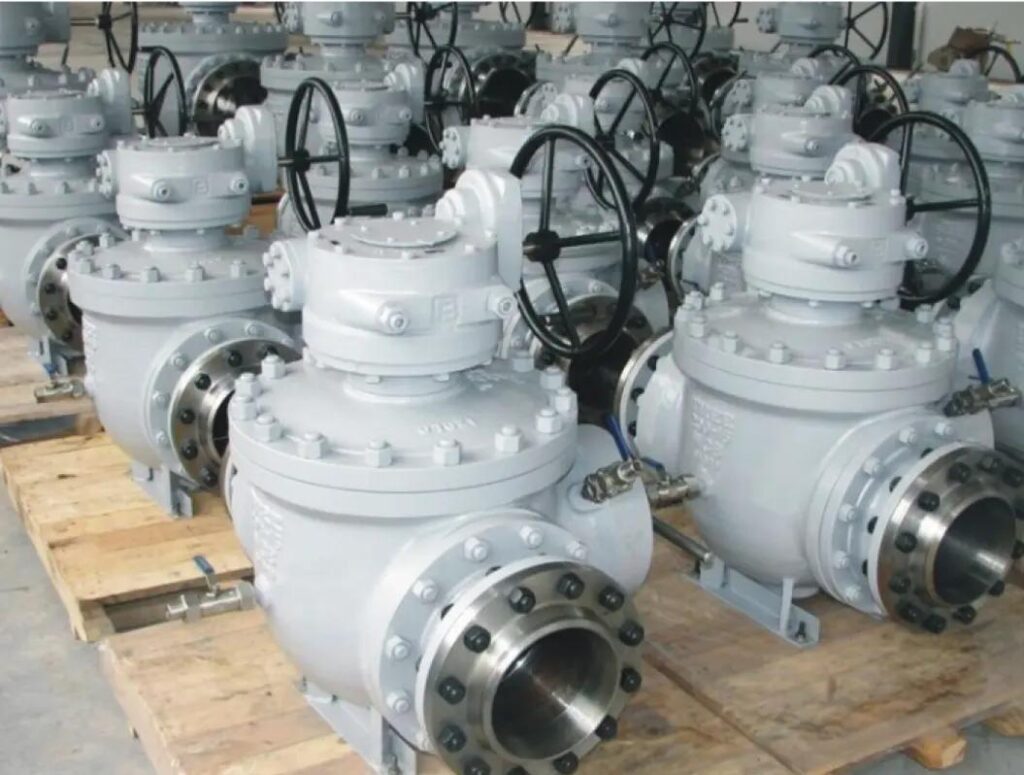
Industrial systems operating under extreme pressure and temperature place enormous demands on valve performance. In these environments, failure is not an option. Valves must maintain structural integrity, prevent leakage, and operate consistently despite exposure to aggressive media, thermal stress, and pressure fluctuations. This is where high-pressure industrial valves play a critical role, serving as the first line of defense for system safety and reliability.
Design Priorities for High-Pressure Performance
Valves engineered for extreme conditions are built around a few non-negotiable design principles. Wall thickness, sealing geometry, and internal stress distribution are carefully calculated to handle continuous pressure loads. Precision machining ensures tight shut-off, while robust stem and seat designs reduce wear over time.
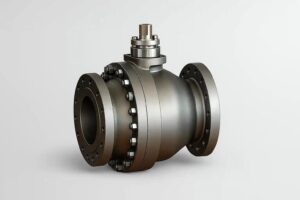
In pipeline and process applications, designs such as API 6D ball valves are often specified because they meet stringent performance and testing standards. These designs support safe isolation, especially in systems where pressure surges and temperature variations are common.
Material Strength and Structural Integrity
Material selection is just as important as design. High-pressure systems require materials that resist deformation, corrosion, and fatigue. Options like stainless steel alloys and specialty grades are chosen for their ability to perform in harsh environments.
In applications requiring enhanced strength, forged steel valves are often preferred due to their dense grain structure and superior mechanical properties. These valves are engineered to withstand extreme loads while maintaining dimensional stability, even after prolonged service.
Safety Considerations in High-Risk Systems
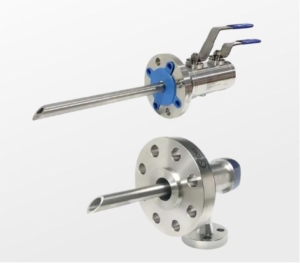
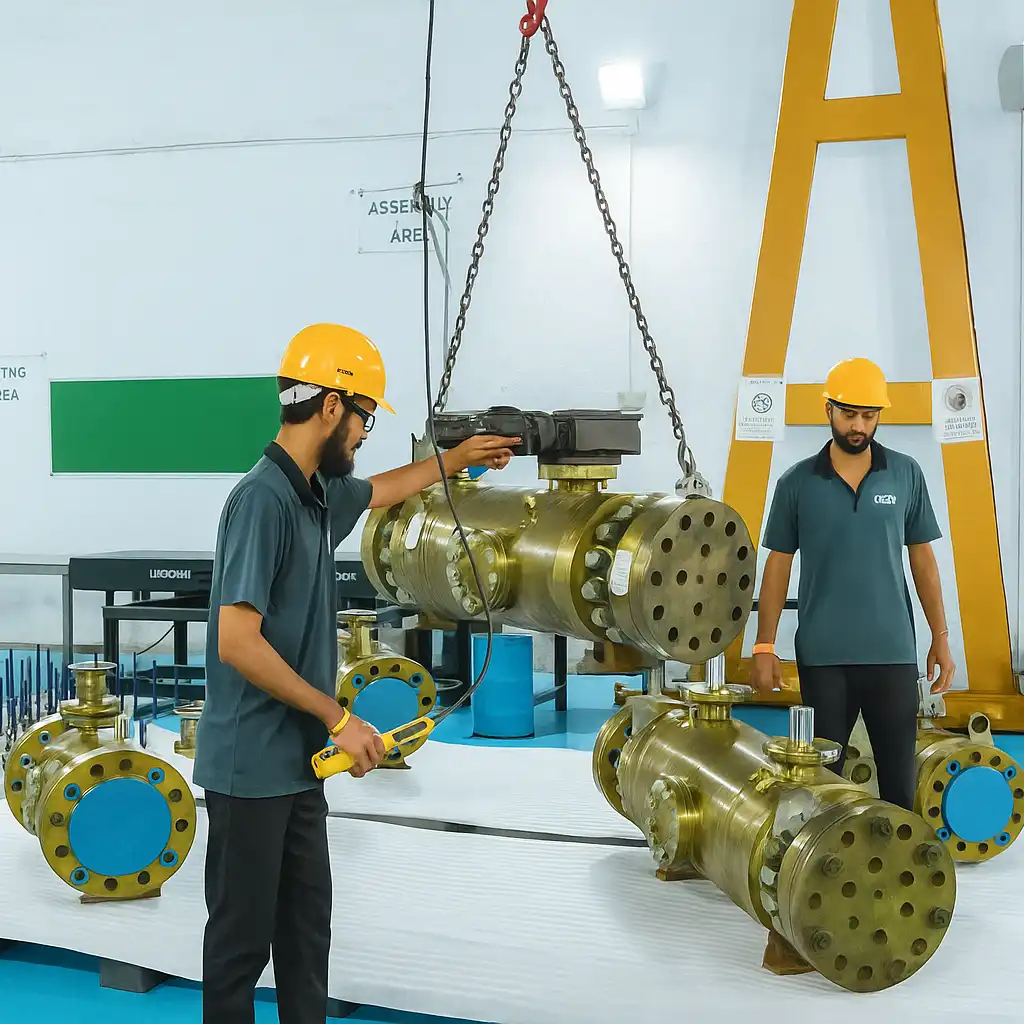
Safety is a top priority in industries handling hazardous fluids or gases. Valves used in such systems are designed to minimize leak paths and provide reliable isolation during maintenance or emergency shutdowns. Solutions like double block and bleed valves are frequently used to ensure positive isolation and controlled pressure release, reducing the risk of exposure or system failure.
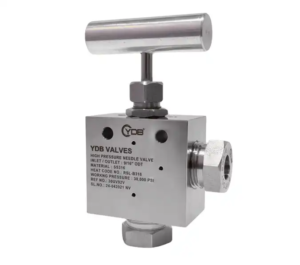
In monitoring and control circuits, instrumentation valves play a vital role by protecting sensitive instruments from pressure spikes while allowing accurate measurement and control.
Performance in Specialized Services
Extreme conditions are not limited to pressure and temperature alone. Certain applications involve corrosive or volatile media that demand additional engineering considerations. In sour gas and hydrogen gas services, valve materials and sealing systems must be selected to resist embrittlement and chemical attack. Proper engineering ensures long-term performance without compromising safety.
Why Engineering Precision Matters
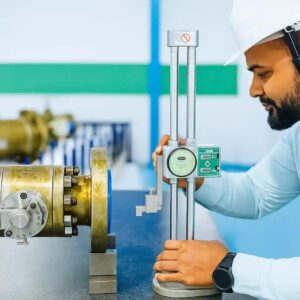
Ultimately, the success of valves in extreme conditions depends on engineering precision. From design validation to material testing, every detail contributes to long-term reliability. This level of attention ensures that high-pressure industrial valves can perform consistently, even in the most demanding industrial environments.
Partner with YDB Valves LLP
At YDB Valves LLP, we design and manufacture precision-engineered industrial valves built to perform under extreme pressure, temperature, and service conditions. Our engineering approach focuses on durability, safety, and long-term reliability across critical industries.
We work closely with our clients to deliver valve solutions tailored to challenging applications, including high-pressure systems and specialized services. Contact YDB Valves LLP today to discuss your requirements and discover how our engineering expertise can support your operations with confidence.